Related Posts


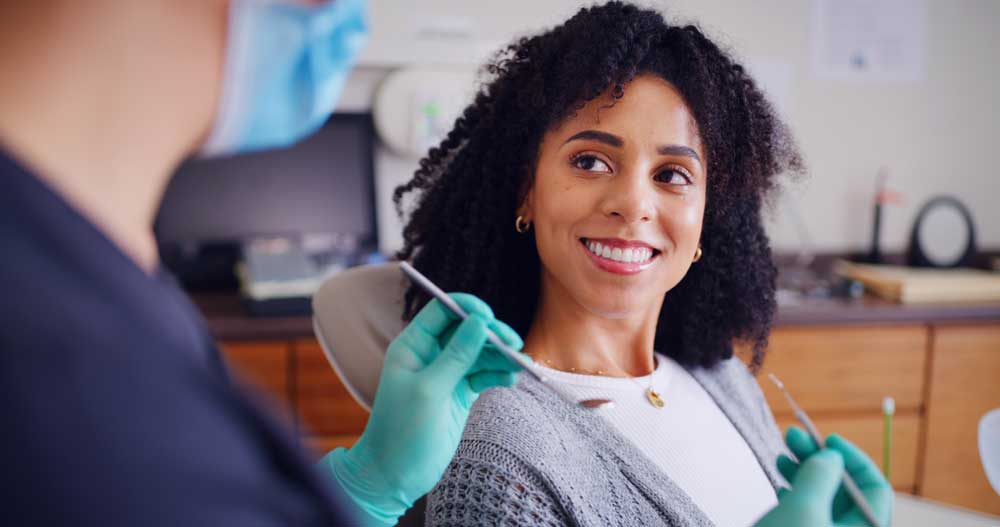
While dental practices look to add new appointments, real growth often comes from the patients you already have coming in for cleanings. These are the hygiene-only patients who show up twice a year, but don’t move forward with the treatments you recommend. They’re good, solid patients, but they don’t address underlying issues that could improve their oral health and your revenue.
You need to re-engage these patients to grow your bottom line. This doesn’t mean discounts or promotions. Education and consistent communication can help patients understand why care matters and spur them to act on that information.
Understanding the Hygiene-Only Patient
Hygiene-only patients are extremely common across dental practices of all sizes. These patients ignore your recommended procedures, and that creates a missed opportunity to grow your revenue.
Why does this happen? Sometimes it’s a cost concern, but in many cases it’s a lack of urgency, especially if patients aren’t in pain right now. Fear may also be a factor. Not everybody enjoys sitting in the dental chair.
Education can shift this dynamic.
Patients who receive ongoing, health-focused communication are more likely to view recommended treatments as important.
Education Beats Discounts for Re-Engagement
It can be tempting to rely on discounts to bring patients back in. This might work in the short-term, but it’s often a losing proposition as patients wait for the next offer before scheduling a visit. It can also reduce the perception of the value of your services, giving patients an incentive to shop around.
Education offers a more sustainable path. When patients understand the why behind a recommendation, they are more likely to take action without needing an incentive. Education builds trust, reinforces your practice’s role as a healthcare provider, and supports long-term loyalty.
Effective educational messaging can take several forms:
- Explaining the connection between oral health and overall health.
- Outlining what happens when treatment is delayed.
- Breaking down what a specific procedure involves in simple terms.
- Addressing common concerns or misconceptions.
There’s plenty of data out there to build messaging. For example, a Boston University School of Public Health study found that older adults who put off dental care are at higher risk for serious health conditions, including heart failure.
Email Strategies to Reconnect with Lapsed Patients
Email remains a practical and scalable way to reconnect with hygiene-only patients, especially when it’s targeted and personalized.
The first step is segmentation. Separate hygiene-only patients from the broader patient list and tailor messaging to their behavior and needs.
From there, personalization becomes key. Emails that reference a patient’s last visit, note the time since their last cleaning, or mention previously recommended treatment feel more relevant and less generic.
Subject lines should reflect education and timing rather than promotion:
- Still thinking about the treatment we discussed?
- It has been a while since your last visit. Let’s catch up on your care.
- Now is a good time to take the next step in your dental health.
A structured drip sequence can significantly improve engagement:
- An initial email that reopens the conversation
- A follow-up that provides educational content or answers common questions
- A final message with a clear and simple booking prompt
Automation lets you build and deliver these sequences without adding to your daily workload.
Direct Mail Tactics That Complement Your Digital Outreach
While email is efficient, it is not always enough on its own. Many patients are inundated with digital messages. In fact, 58% of consumers say they are overwhelmed by the volume of brand communications they receive.
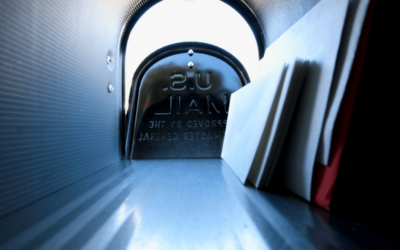
Direct mail provides a way to break through the clutter. Postcards are particularly effective for re-engagement and work best when you follow a few simple guidelines:
- A simple, attractive design
- A friendly tone
- A clear call to action
Including a QR code that links directly to an appointment page or educational resource also makes it easy for patients to take the next step. While you don’t want to share personal information or treatments in direct mail, you can reinforce educational messages and keep your practice top-of-mind.
Messaging should fit your overall strategy. For example, messaging might be:
- It has been a while. Let’s catch up on your care.
- Your dental health deserves more than just cleanings.
- A quick visit now can prevent bigger issues later.
Direct mail captures attention. Email provides additional details, a more personalized message, and an easy way to book appointments. Coordinating direct mail and email works as a force multiplier to drive home your message.
Turn Cleanings into Comprehensive Care
Re-engaging hygiene-only patients should be part of your ongoing marketing strategy. When patients understand the importance of comprehensive care, they are more likely to take the next step, and that benefits both their long-term health and the sustainability of your practice.
UpSwell Marketing helps dental practices design and execute coordinated email and direct mail campaigns. Contact us today and help turn hygiene visits into lasting patient relationships that grow your revenue.